

Evaporator Coil vs Condenser Coil: What’s the Difference?
When your air conditioner stops cooling properly, the problem often comes down to one of two critical components: the evaporator coil or the condenser coil. Understanding the difference between these parts is essential for homeowners who want to diagnose issues early, reduce repair costs, and keep their HVAC system running efficiently.
The comparison of evaporator coil vs condenser coil is one of the most common points of confusion in HVAC systems. While both coils work together to cool your home, they serve very different purposes and are located in different parts of the system.
In this guide, we’ll break down how each coil works, the main differences between them, common problems, maintenance tips, and when it’s time to call a professional.
What Is an Evaporator Coil?
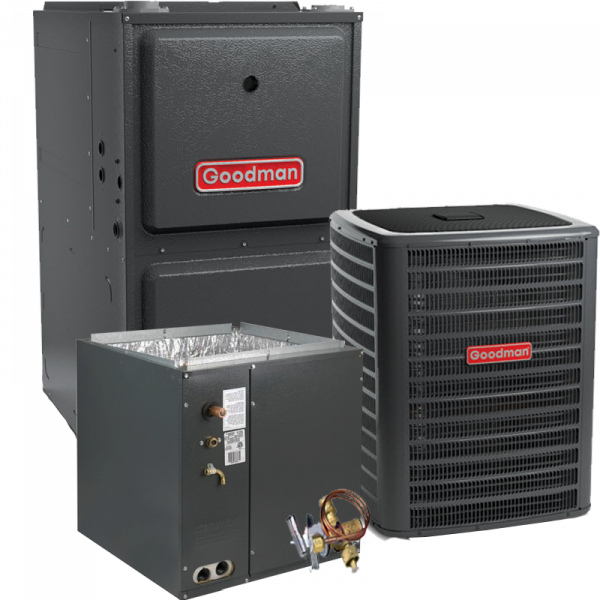
The evaporator coil is a vital component located inside your home, usually near the air handler or furnace. Its main job is to absorb heat from the indoor air.
As warm air from your home passes over the evaporator coil, the refrigerant inside the coil absorbs the heat. This process causes the refrigerant to evaporate from a liquid into a gas, which is where the coil gets its name.
Once the heat is absorbed, the cooled air is circulated back through your ductwork, lowering the temperature inside your home.
What Is a Condenser Coil?
The condenser coil is located outside your home, inside the outdoor AC unit. Its job is essentially the opposite of the evaporator coil.
After the refrigerant absorbs heat indoors, it travels to the condenser coil. Here, the heat is released to the outside air. As the refrigerant loses heat, it changes back into a liquid and returns to the evaporator coil to repeat the cycle.
Without a properly functioning condenser coil, heat cannot be expelled from your home, and cooling efficiency drops significantly.
Join our Comfort Club
Join our Comfort Club membership and received a 20% discount on all repairs, two maintenance visits a year, and priority scheduling!
Evaporator Coil vs Condenser Coil: Key Differences
Understanding the differences between these two coils helps clarify how your air conditioning system works as a whole.
The evaporator coil is responsible for absorbing heat from inside your home, while the condenser coil releases that heat outside. One operates indoors, and the other operates outdoors.
The evaporator coil is typically exposed to moisture and indoor air contaminants, while the condenser coil is exposed to outdoor elements like dirt, debris, and weather conditions.
Both coils are essential. If either one fails or becomes inefficient, your entire HVAC system suffers.
How Evaporator and Condenser Coils Work Together
Your air conditioner operates on a continuous heat transfer cycle. The evaporator coil absorbs heat, and the condenser coil releases it.
If one coil is dirty or damaged, the other coil must work harder to compensate. This added strain increases energy consumption and can shorten the lifespan of the system.
This is why HVAC professionals often inspect both coils when diagnosing cooling problems.
Common Problems with Evaporator Coils
Evaporator coils are prone to specific issues due to their location and function.
One of the most common problems is dirt buildup. Dust and debris act as insulation, preventing the coil from absorbing heat effectively.
Another frequent issue is frozen coils. This can happen due to restricted airflow, low refrigerant levels, or dirty air filters. When the coil freezes, cooling performance drops dramatically.
Refrigerant leaks are also a concern. Over time, corrosion can create small holes in the coil, leading to reduced cooling and higher energy bills.
Common Problems with Condenser Coils
Condenser coils face a different set of challenges since they are located outdoors.
Dirt, leaves, grass clippings, and debris can easily accumulate on the coil, blocking airflow and reducing heat release.
Bent fins are another common issue. These thin metal fins can be damaged by debris or improper cleaning, limiting airflow through the coil.
Weather exposure can also lead to corrosion over time, especially in areas with high humidity or salt in the air.
Signs of Evaporator Coil Problems
Homeowners often notice subtle warning signs when the evaporator coil is not functioning properly.
Reduced airflow from vents, uneven cooling, or warm air blowing from the AC system can indicate an issue.
Ice forming on refrigerant lines or the indoor unit is another clear sign of evaporator coil trouble.
If you notice higher energy bills without a change in usage, a struggling evaporator coil may be the cause.
Signs of Condenser Coil Problems
Condenser coil issues often show up as poor overall cooling performance.
Your outdoor unit may run constantly without effectively lowering indoor temperatures.
You might also notice hot air blowing from vents or hear the system working harder than usual.
In severe cases, the AC system may shut down completely to prevent overheating.
Evaporator Coil vs Condenser Coil Maintenance
Proper maintenance is key to keeping both coils in good condition.
Professional inspections help ensure the coil remains clean and free from leaks.
For condenser coils, keeping the area around the outdoor unit clear is essential. Removing debris and ensuring adequate airflow can significantly improve performance.
Annual HVAC maintenance typically includes cleaning and inspecting both coils.
Can You Clean the Coils Yourself?
Some basic maintenance can be handled by homeowners, but caution is required.
Light cleaning around the condenser unit, such as removing leaves or debris, is generally safe.
However, evaporator coils are more delicate and difficult to access. Improper cleaning can damage the coil or fins.
Professional cleaning ensures the coils are handled safely and thoroughly.
How Coil Issues Affect Energy Efficiency
When comparing evaporator coil vs condenser coil, it’s important to understand how problems impact energy efficiency.
Dirty or damaged coils force your system to work harder to achieve the same level of cooling. This results in higher energy bills and increased wear on components.
Maintaining clean, efficient coils helps reduce energy consumption and extends the life of your HVAC system.
Repair vs Replacement: What to Consider
Not all coil issues require replacement.
Minor dirt buildup or airflow issues can often be resolved with cleaning and adjustments.
However, refrigerant leaks or severe corrosion usually require coil replacement. In older systems, replacing a coil may not be cost-effective compared to upgrading the unit.
A professional assessment helps determine the best solution for your specific system.
When to Call an HVAC Professional
While basic awareness is helpful, coil issues often require expert diagnosis.
If your AC system is not cooling properly, freezes up, or shows signs of refrigerant leaks, it’s time to call a professional.
HVAC technicians have the tools to safely inspect coils, measure refrigerant levels, and recommend repairs or replacements.
Prompt professional service can prevent minor issues from becoming major system failures.


