

Heat Pump vs Central AC and Furnace: Which is the Best Investment for Your Home?
Among the most major monetary decisions you as a homeowner will make is replacing the HVAC system of your house. The first response when your present equipment starts to malfunction is usually to just replace it with the precise same type of equipment. Over the last ten years, though, HVAC technology has advanced considerably, therefore providing homes more efficient, strong, and affordable alternatives than ever before.
Whether to keep with a traditional Central Air Conditioner combined with a gas or electric furnace or to upgrade to a contemporary Heat Pump system is the most frequent dispute property owners deal with right now. Each of these systems has different mechanical benefits, operational expenses, and best applications. Choosing the incorrect system can result in years of buyer’s regret, expensive monthly utility costs, and regular mechanical failures that leave you frantically looking for emergency heating repair close to me on a cold evening.
This thorough handbook will explain the exact mechanical differences, energy efficiency ratings, and long-term financial consequences of each system. You can make an informed, assured decision that guarantees thermal comfort for your home and maximizes your return on investment by knowing how these heavy-duty equipment works.
Understanding the Mechanical Basics of Home Climate Control
Before comparing efficiency and costs, it is crucial to understand the fundamental physics of how these two different HVAC configurations manipulate the temperature inside your home.
What is a Traditional Central AC and Furnace System?
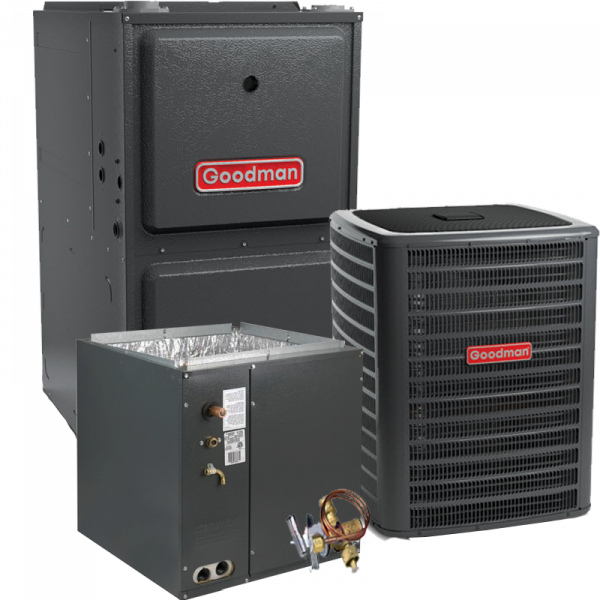
Traditional HVAC systems use two completely independent pieces of heavy equipment to control your indoor environment.
Employing a chemical refrigerant cycle, the Central Air Conditioner draws thermal energy (heat) from inside your home throughout the summer then physically expels it outside. Located in the outdoor unit, the compressor compresses the refrigerant, which then traverses the indoor evaporator coil to absorb heat. The blower motor then distributes the cold air across your ductwork. An air conditioner just removes the present heat; it does not physically generate cold air.
The air conditioning gives way entirely over the winter; the heating system takes over. Most of the time fueled by natural gas, propane, or heating oil, a furnace generates heat via burning of a flammable substance or via electric resistance coils. If you have a gas furnace, the burners start and heat a metal heat exchanger. The blower motor then warms this brilliantly scorching metal before distributing the heated air all around your house. This process creates new thermal energy by combustion.
What is a Heat Pump System?
Externally, a heat pump is almost exactly the same as a conventional central air conditioner condenser; however, mechanistically, it is a far more sophisticated piece of gear.
Unlike a furnace, a heat pump produces heat without using electric resistance or burning fuel. It instead transfers thermal energy from one location to another using chemical refrigerant and electricity.
A heat pump behaves exactly like a regular air conditioner in the summertime. It releases outside the heat from within your home. But a part known as the reversing valve defines the real enchantment of a heat pump. The reversing valve mechanically changes the direction of the chemical refrigerant when winter comes around. The system starts drawing ambient thermal energy from the outside air yes, there is still extractable heat energy in the air even when it feels freezing outside and directs that warmth directly into your home.
Key Differences: Efficiency, Performance, and Costs
When deciding between a heat pump and a traditional split system, you must evaluate how they perform under stress and how much they cost to operate on a daily basis.
Energy Efficiency and Operational Costs
When it comes to pure energy efficiency, the heat pump is the undisputed champion. Because transferring heat requires significantly less electricity than generating heat through combustion or electric resistance, heat pumps operate at extraordinary efficiency levels.
According to the U.S. Department of Energy, today’s high efficiency heat pumps can deliver up to three times more heat energy to a home than the electrical energy they consume. This means that under optimal conditions, they operate at a 300% efficiency rate. By contrast, even the absolute most advanced, top of the line natural gas furnaces max out at around 98% efficiency (meaning 2% of the energy is still lost as exhaust).
If your home currently relies on an aging electric furnace or baseboard heaters, upgrading to a heat pump will cause your winter utility bills to plummet immediately. However, if you have access to highly subsidized, inexpensive natural gas in your area, the operational cost gap between a gas furnace and a heat pump might be narrower.
Performance in Extreme Weather Conditions
Though the gap is quickly shrinking, this is where the conventional oven formerly held the upper hand.
A natural gas furnace is insensitive to outside temperature. Whether the outdoor temperature is 10°F or 40°F, a furnace will fiercely consume fuel and pour highly concentrated, piping hot air into your ducts. It offers a very quick, strong, and strong heat.
Conventional heat pumps, on the other hand, start to lose their heating ability as the exterior temperature approaches freezing. The compressor has to labor much harder to get less thermal energy from the outside. Should the temperature fall too low, the heat pump will automatically activate its “Auxiliary Heat” or “Emergency Heat” strips which are highly inefficient electric resistance coils that will significantly raise your electricity bill.
It should be remembered, though, that contemporary Cold Climate Heat Pumps with variable speed inverter compressors can now successfully extract heat and keep your house warm even when outdoor temperatures fall into the single digits.
Lifespan and Maintenance Requirements
Each individual unit has a designated “off season” to rest since a conventional arrangement distributes the workload the AC operates in the summer and the furnace does in the winter. While a standard AC unit often lasts 10 to 15 years, a well kept gas furnace can easily last 15 to 20 years.
All year long a heat pump works constantly. In July, your air conditioner is January’s heater. Due to this continuous, hard duty operation, heat pumps’ average lifetime is somewhat shorter generally between 12 and 15 years.
For a heat pump, frequent maintenance is also absolutely non-negotiable. The ability of a heat pump to move heat falls off quickly if its evaporator coil becomes dirty or its refrigerant charge decreases. Scheduling regular tune ups with a certified expert is the only way to guarantee longevity and guard this investment.
Making the Right Choice: Which System is Best for You?
The decision ultimately comes down to your home’s existing infrastructure, your energy goals, and your demand for comfort.
You Should Choose a Central AC and Gas Furnace If:
- Your home is already plumbed with an existing natural gas line.
- You experience harsh, prolonged, deep freeze winters where temperatures consistently remain below freezing for weeks.
- You prefer the rapid, intense, “bone warming” heat that only combustion can provide.
- You are replacing a failed AC unit but your existing furnace is relatively new and in excellent mechanical condition.
You Should Upgrade to a Heat Pump If:
- Your home does not have access to a natural gas line and you currently rely on an expensive electric furnace or propane.
- You live in a climate with long, sweltering summers and relatively mild winters.
- You are highly focused on lowering your carbon footprint and maximizing your home’s energy efficiency.
- Both your AC and your furnace are ancient, and you need to completely replace your entire HVAC system at the same time.
Join our Comfort Club
Join our Comfort Club membership and received a 20% discount on all repairs, two maintenance visits a year, and priority scheduling!
The Critical Importance of Professional HVAC Installation
Regardless of whether you choose a top tier heat pump or a heavy duty gas furnace, the equipment is only as good as the hands that install it. In the HVAC industry, the day your system is installed is the most important day of its entire lifespan.
A premium, expensive unit will operate like a cheap, failing system if the installer skips vital technical steps. Improper sizing, failure to perform a scientific Manual J load calculation, or ignoring leaky ductwork will guarantee that your brand new system short cycles, struggles to remove humidity, and suffers a premature mechanical death.
When the time comes to upgrade, searching for a reliable HVAC installation near me is your first step toward permanent home comfort. At Longhorn Home Services, our certified, fully insured technicians never rely on guesswork. We meticulously evaluate your home’s thermal envelope, calibrate high voltage electrical connections, and optimize chemical refrigerant levels to ensure your new system operates at absolute peak efficiency.
Don’t gamble with your family’s comfort or your financial investment. If you are ready to explore your replacement options or need an immediate diagnostic on a failing system, our team is ready to deliver transparent, lasting mechanical solutions.


