

Learn About The 5 Major Types Of HVAC Systems
Living in Carrollton, Texas calls for a really strong cooling and heating system. Summers can be searing, sometimes reaching 100 degrees, whereas winters might be unexpectedly chilly. An HVAC system that functions properly, is long-lasting, and is ideally sized for your house is essential to maintain the coziness of your home all year.
Still, all the options can be perplexing if you’re attempting to purchase a new one or swap your old one. There are traditional choices in addition to fresh, energy-efficient models. How do you choose what works best for you?
First of all, one should learn about the many sorts of HVAC equipment. This will assist you in making a wise decision that will save you money on energy and keep your family comfortable for years. Five major kinds of HVAC systems are examined in this manual together with their operation, advantages and drawbacks, so you may choose the ideal one for your house.
1. Standard Split Systems (Heating and Air Conditioning)
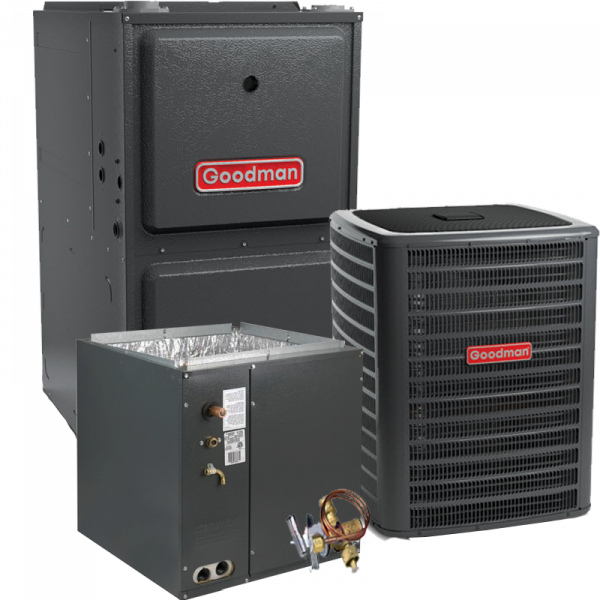
The heating and cooling split system is, without a doubt, the most common type of HVAC system found in residential homes across the United States, and certainly here in Texas. As the name suggests, the system is “split” into two main components: one situated outside the home and one inside.
How It Works
A standard split system typically consists of an outdoor unit (usually the air conditioner or compressor) and an indoor unit (the furnace and the evaporator coil).
- The Outdoor Unit: Contains the compressor and condenser coil. Its job is to release heat from inside your home to the outdoor air during the summer.
- The Indoor Unit: Usually located in a specialized closet, attic, or basement. It contains the blower and evaporator coil. It circulates cold air through your ductwork in the summer and warm air (generated by gas or electricity) in the winter.
These two units are connected by copper refrigerant lines and electrical wiring. A thermostat controls the entire system, signaling when to turn on the heat or the AC.
Pros of Split Systems
- Widespread Availability: Because they are the standard, parts are easy to find, and almost every technician is trained to repair them.
- Cost Effective Installation: If your home already has ductwork installed, replacing an old split system with a new one is often the most affordable option upfront.
- Effective Filtration: These systems can accommodate high quality air filters, which is excellent for keeping dust and allergens out of your Carrollton home.
Cons of Split Systems
- Ductwork Dependence: They rely heavily on ducts. If your ductwork is old, leaky, or poorly insulated, you can lose significant energy (and money) before the air even reaches your rooms.
- Space Requirements: You need dedicated space for both the indoor and outdoor units, which can be a constraint in smaller homes or condos.
Is This Right for You?
If you have a standard single family home with existing ductwork and a central furnace, a standard split system is likely your most logical and economical replacement choice.
Join our Comfort Club
Join our Comfort Club membership and received a 20% discount on all repairs, two maintenance visits a year, and priority scheduling!
2. Hybrid Heat Split Systems
A hybrid heat split system is an enhanced form of the conventional split system. The primary distinction is in energy efficiency and fuel source adaptability. A hybrid system combines an electric heat pump with a traditional gas furnace; a regular system depends on a gas furnace.
How It Works
The “hybrid” aspect refers to the system’s ability to switch between gas and electricity depending on which is more efficient at the moment.
- In Mild Weather: The system uses the electric heat pump to warm your home. Heat pumps are incredibly efficient in moderate temperatures, moving heat rather than generating it.
- In Extreme Cold: When temperatures drop significantly (as they sometimes do during Texas freezes), the heat pump becomes less efficient. The system then automatically switches to the gas furnace, which is more powerful and effective at generating high heat quickly.
Pros of Hybrid Systems
- Incredible Efficiency: By choosing the most efficient fuel source for the current temperature, homeowners can see substantial savings on their monthly utility bills.
- Environmental Impact: Reducing reliance on fossil fuels during mild winters helps lower your home’s carbon footprint.
- Comfort Control: These systems often provide a more consistent temperature, avoiding the “blast” of hot air associated with traditional furnaces.
Cons of Hybrid Systems
- Higher Upfront Cost: The technology involved makes these units more expensive to purchase and install than standard split systems.
- Complexity: Because they involve dual fuel sources and sophisticated switching mechanisms, maintenance requires a knowledgeable technician.
Is This Right for You?
A hybrid system is ideal for homeowners in climates like Carrollton, where winters are generally mild but can have occasional sharp drops in temperature. The initial investment often pays for itself through long term energy savings.
3. Ductless Mini Split Systems
Ductless mini split systems have exploded in popularity over the last decade. As the name implies, these systems do not require ductwork to circulate air. They are often seen in hotel rooms, older homes without ducts, or garage conversions.
How It Works
Like a standard split system, a ductless mini split has an outdoor compressor and an indoor handling unit. However, the indoor units are mounted directly on the wall or ceiling of the room they are cooling.
- Zoning: A single outdoor compressor can often support up to four or more indoor handling units.
- Independent Control: Each indoor unit has its own thermostat. This allows you to create “zones” in your house. You can keep the living room cool at 72°F while the unused guest bedroom stays at 78°F.
Pros of Ductless Mini Splits
- No Energy Loss via Ducts: Since there are no ducts, you eliminate the energy loss associated with duct leakage, which can account for up to 30% of energy consumption in central systems.
- Flexible Installation: They are perfect for room additions, sunrooms, garages, or older historic homes where installing ductwork is impossible or too invasive.
- Customizable Comfort: Family members in different rooms can set their own preferred temperatures.
Cons of Ductless Mini Splits
- Aesthetics: Some homeowners dislike the look of the wall mounted unit in every room.
- Cost per Zone: While cheaper than installing new ductwork, outfitting an entire large home with mini splits can be more expensive than a central system due to the need for multiple indoor units.
Is This Right for You?
If you are building an addition to your home, converting a garage into a living space, or live in a home that lacks ductwork, the ductless mini split is the superior choice.
4. Packaged Heating and Air Conditioning Systems
Packaged systems are an all in one solution. Unlike split systems where components are separated, a packaged system houses the compressor, condenser, and evaporator all in one single metal cabinet.
How It Works
The unit is typically installed on the roof (common in commercial buildings) or on a concrete slab next to the house foundation.
- Air Delivery: The supply and return air ducts come directly through the home’s exterior wall or roof to connect with the packaged unit outdoors.
- Types: You can get packaged air conditioners (cooling only), packaged heat pumps (heating and cooling), or packaged gas/electric units (gas heat, electric cooling).
Pros of Packaged Systems
- Space Saving: Because the entire system is outside, you do not need to sacrifice indoor closet, attic, or basement space for an air handler or furnace.
- Quiet Operation: With all the mechanical components located outdoors, the noise level inside the home is often lower than with split systems.
- Easy Maintenance: Technicians can access all components in one location, which can simplify repairs and annual tune ups.
Cons of Packaged Systems
- Exposure to Elements: Being located entirely outdoors (often on the roof) exposes the entire system to harsh weather, potential rust, and animal nesting.
- Efficiency Limits: Generally, packaged systems may not reach the ultra high SEER (efficiency) ratings available in top tier split systems.
Is This Right for You?
Packaged systems are most common in smaller homes or mobile homes where indoor space is at a premium. If your home was originally built with a packaged unit, it is usually best to replace it with a similar model to avoid costly ductwork reconfiguration.
5. Geothermal Energy Systems
Geothermal HVAC systems are the gold standard for energy efficiency and environmental sustainability. Instead of using the outside air to heat or cool your home (which fluctuates wildly in temperature), they use the stable temperature of the earth.
How It Works
The temperature underground remains relatively constant year round (around 55°F to 60°F), regardless of whether it is freezing or boiling above ground.
- The Loop: Pipes (called a loop) are buried deep in the ground in your yard. Water or a refrigerant solution circulates through these pipes.
- Heat Exchange: In the winter, the fluid absorbs heat from the earth and carries it into your home. In the summer, the system extracts heat from your home and transfers it back into the cool earth.
Pros of Geothermal Systems
- Unmatched Efficiency: Geothermal systems can be 400% efficient (or more), meaning they produce four units of energy for every one unit of electricity consumed.
- Longevity: The indoor components can last 25+ years, and the underground ground loop can last 50+ years.
- Quiet and Safe: There is no noisy outdoor compressor and no on site combustion of fossil fuels (no carbon monoxide risk).
Cons of Geothermal Systems
- Extremely High Upfront Cost: The excavation and installation of the ground loop make this the most expensive system to install—often costing several times more than a standard split system.
- Landscape Disruption: Installation requires significant digging in your yard, which can disrupt landscaping, though this is temporary.
Is This Right for You?
If you plan to stay in your home for many years and have the budget for the initial investment, a geothermal system will pay you back in massive utility savings and tax incentives. It is the ultimate choice for the eco conscious homeowner.
Choosing the Right System for Your Carrollton Home
Selecting the right HVAC system is not just about picking the most expensive or the newest technology; it is about matching the system to your specific home, budget, and lifestyle needs.
Consider the following factors:
- The Size of Your Home: An oversized unit will cycle on and off too frequently (short cycling), wearing out parts and increasing humidity. An undersized unit will run forever and never keep you cool.
- SEER Ratings: Look for the Seasonal Energy Efficiency Ratio. In Texas, a higher SEER rating (16+) is highly recommended to handle the heat load efficiently.
- Ductwork Condition: Before investing in a high end unit, have a professional inspect your ducts. Connecting a new system to bad ducts is like putting a Ferrari engine in a rusted car.
Whether you need the zoning flexibility of a ductless mini split, the robust power of a standard split system, or the long term savings of geothermal, there is a solution out there for you.
At Longhorn Services, we understand the unique climate challenges of the Carrollton and Dallas Fort Worth area. We don’t just install boxes; we design comfort solutions tailored to your family. If you are unsure which of these 5 major types of HVAC systems is right for you, don’t guess.
Contact Longhorn Services today. Our certified experts will evaluate your home, listen to your needs, and help you choose the perfect system to keep you cool all summer and cozy all winter.


